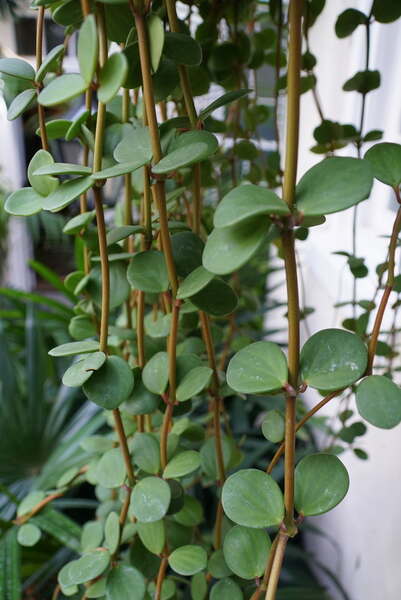

Peperomia Hope is a popular houseplant that is low Maintainance and whose common name is Four-leaved Peperomia and has a botanical name Peperomia tetraphylla and is native to Central and South America.
Peperomia Hope is the result of mixing two plant types belonging to the species of Peperomia deppeana and Peperomia quadrifolia. Peperomia Hope is an evergreen tropical perennial plant suited for both outdoor and indoor growing. Peperomia Hope should not be confused with trailing jade Peperomia which is a similar-looking plant with the difference being that Peperomia Hope has thicker leaves that grow in clumps along the stem. Peperomia Hope plant is a great choice for desktops or places where there is a lack of space like shelves and they grow into beautiful trailing foliage down their stems which is why it is so sought after.
Peperomia Hope Quick Facts
| Plant Common Name | Four-leaved Peperomia, Peperomia Hope, Acorn Peperomia, |
| Plant Botanical Name | Peperomia tetraphylla |
| Plant Family | Piperaceae |
| Annual or Perennial | Perennial |
| Plant Size at Maturity | width: 8 inches, height: 12 inches |
| Sunlight | Partial sunlight |
| Soil Type | Well-drained soil but moist |
| pH of Soil | 6 to 6.5 Acidic |
| USDA Hardiness Zones | 10 to 12 |
| Native Area | South and Central America |
| Toxicity | Not Toxic to pets or kids |
How Do You Care For Peperomia Hope?
Peperomia Hope is a tropical trailing plant that grows on top of other plants and has small leaves like other succulents. Peperomia Hope care is easy as compared to other Peperomias it is a slow-growing plant and when provided with the correct environment is the perfect plant for beginners. The plant thrives in warmer climates with a lot of moisture, which is extremely important for the growth of the plant. Peperomia Hope needs bright indirect, filtered sunlight.
Let’s take a closer look at each of these requirements for the plant.
Light Requirements
To thrive, Peperomia Hope needs at least 4-6 hours of bright indirect sunlight or filtered light each day. They can handle low-light conditions but may face some defects like faded colors or stunted growth. Don’t expose these plants to direct sun as that may burn these plants.
You can place these plants on a railing planter if you have a balcony or you can place them near west or east-facing windows with either morning or evening sunlight. Even South facing windows can work provided you don’t live in a location with bright light or long days as too much exposure to the sun can burn these plants. If your house has a lot of direct sunlight then place Peperomia Hope behind curtains or keep them a few meters away from the window. In winter you should use grow lights for 12 hours a day.
Soil Requirements
Peperomia Hope needs soil that is airy and drains well and has a pH of 6 to 6.5. A good mixture of the one-part potting mix along with one part perlite and one part orchid bark works well as they help to aerate the soil while retaining moisture. You can also add organic mixtures like coco peat and compost to increase the acidity of the soil as needed
Water Requirements
Peperomia Hope should be watered weekly during the growing season in spring and summer and once in 2 weeks during fall and winter. Do ensure that you allow The soil to dry out slightly before watering the plant again. Water the plant when the top 1 inch of soil feels dry to the touch or when it begins to wilt slightly. Make sure that there are no standing puddles around the base of the plant after watering it.
Temperature Requirements
Peperomia Hope prefers moderate temperatures between 65 degrees Fahrenheit (18 C.) to 80 degrees Fahrenheit (26 C.) and is sensitive to either too much heat or too cold. However, in the winter as the temperature falls into 50 degrees range it will show signs of stress and the Peperomia Hope plant will be needed to be kept indoors or sheltered from direct exposure to cold winds as even a draft from a window or door will be stressful for the plant to handle.
Humidity Requirements
Peperomia Hope tolerates moderate humid conditions and does well in normal humidity found in your house and does well on a balcony or patio in spring and summer. During winter if you have central heating on and the plant is indoors the air would be dry so you should add a humidifier or a pebble tray.
Fertilizer Requirements
Peperomia Hope does not need much fertilizer, but if you want your plant to grow large leaves, fertilize it monthly with a balanced liquid houseplant fertilizer diluted at half strength during spring through summer. In winter months, stop fertilizing altogether.
Propagating Peperomia Hope By Stem Cuttings
You can propagate Peperomia Hope by stem cuttings in any medium water, soil, moss etc here is the step-by-step process for propagation
- Use a clean pair of shears or pruning scissors to cut the stem such that the stem has two to three points (nodes) where leaves are coming out of the stem.
- Remove the leaves from just below one or two nodes and place the cutting in a jar of water. The cut ends should be submerged, while any remaining leaves should float above them.
- Place the cuttings in a container and pour water into it once per week. Place the container in a bright, indirect light source and within several weeks, you should begin to see roots emerging from your cuttings.
- You may plant the cuttings when their roots are about two inches long. Put the container with your newly rooted plants in a spot where it will get bright indirect light but not the direct sun (the sun may scorch young leaves).
- You will know if the plant has rooted if you feel resistance when pulling.
Propagating Peperomia Hope By Leaf Cuttings
You can propagate Peperomia Hope by leaf cuttings by just a single leaf if you take care of the point where the stem and leaf meet is intact ( also called petiole) the best medium to do it is in the soil here is the step-by-step process for propagation
- Take a small pot with pre-moistened potting soil and a few leaves from your Peperomia Hope plant.
- Press the cut end of the leaf into the soil slightly.
- Maintain even moisture in the potting soil and place the pot in bright, indirect light.
- Small pups will eventually sprout from the base of the leaves,
This process of propagating Peperomia Hope by leaf cuttings rooting usually takes longer than stem cuttings.
Peperomia Hope in containers: Potting and Repotting
Peperomia Hope rarely needs repotting as they are slow-growing plants but a new container should still be used every one to two years.
If roots are circling the pot or growing through drainage holes, it’s time to repot your plant.
When the plant almost fills its current pot, choose a new one that is 1 to 2 inches larger than the previous one. Gently lift and relocate your plant without damaging its root system.
Always try to target spring or summer as the best time to repot these plants as that is the growing season and plants would be able to handle repotting better during this time.
Common Pests & Plant Diseases
Pests such as scale, mealybugs, and aphids delight in feasting on saps from Peperomia Hope’s succulent leaves.
Fungus gnats are attracted to the dampness of soil and often live in potted plants. Check your plant regularly for infestations.
Peperomia Hope is fairly resistant to disease, but root rot can be aggravated by excessive watering in combination with poor drainage.
Is Peperomia Hope poisonous to Humans?
As per ASPCA, Peperomia Hope is not considered poisonous to humans but would still not recommend ingesting this plant.
Is Peperomia Hope Toxic to Cats
As per ASPCA Peperomia Hope is not toxic to cats however cats love playing with it but be careful as eating any plant in large quantity can always cause problems.
Peperomia Hope’s Common Issues
Peperomia Hope is a very easy plant that usually doesn’t face too many issues however if any of the following issues listed below are troubling your plant they would be a result of poor light or water and if you fix them you will have no more issues
Curling Leaves
If Peperomia Hope’s leaves are curling it is because of underwatering or low light conditions. To fix these issues you can ensure that you keep the soil of your plant consistently moist and move the location of your plant so that it gets a lot of sunlight.
Brown tips on leaves
If your Peperomia Hope has brown leaves it would be mostly due to overwatering of the plant and especially during winter if the leaves of your plant are getting wet it may cause leaf rot. You can avoid this by checking the moisture of the soil before watering the plant.
Leggy Growth
If the Peperomia Hope plant is not getting enough light then it would show leggy growth and you should move it to an area with more light. Leggy Growth means that Plant grows in such a way that it stretches the space between leaves this cause leaves to not look good. If your plant has become leggy the only way to fix it is to prune the leggy leaves and make it propagate.
Frequently Asked Questions
The following are the most frequently asked questions about Peperomia Hope.
How Do I Make My Peperomia Hope Bushy?
To make your Peperomia Hope bushy you can propagate your plant using the stem cuttings and fill them at the base of your pot. If your Peperomia Hope is older then its stems can trail off and it can lose its look and that is the time to try to make it bushy again.
Should I Mist My Peperomia Hope’s Leaves?
Misting will help keep your Peperomia happy and is recommended because they like humidity. Be careful not to spray water on the leaves of this plant as that can cause brown spots and leaf rot. the best way to increase humidity is to place the plant in a humid place like the bathroom and kitchen or to use a humidifier.
Is Peperomia Hard To Keep Alive?
Peperomia plants are not very picky about their environment and they are very easy to maintain and to keep alive.
Trusted Citations & Sources Used
Articles on Itishomegarden are thoroughly researched and fact-checked using trusted resources to ensure that they are relevant and accurate Here is a list of references for this article
- ASPCA Animal Poison Control https://www.aspca.org/pet-care/animal-poison-control/toxic-and-non-toxic-plants/peperomia-hederifolia
Also Read
How to grow Calathea Warscewiczii
Alocasia Regal Shield Care Guide
Neon Pothos Growth & Care guide
Ficus Elastica Tineke Care & Growth Guide