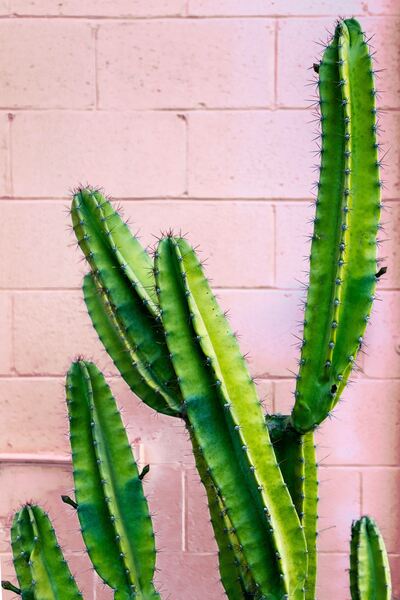

Dragon bone cactus, otherwise known as Euphorbia Lactea, Candelabra Cactus, False Cactus, or Mottled Candlestick is a small, deciduous, succulent shrub or tree native to Asia and Florida but is currently grown worldwide. While its name has a cactus it is a succulent of the plant family Spurge or Euphorbia and it is also known as a white ghost, mottled spurge, or false cactus. Euphorbia Lactea is native to India and can grow up to 15 feet outdoors but indoors it can grow 6 feet in height and 9 meters in width in pots. This succulent has dark green stems, sharp spines, and mottled branches with white marbling. The few leaves it grows in summer drop quickly, and it rarely blooms. However, the dragon bone cactus is an excellent plant to grow in your home, and we’ve provided its basic care requirements so you can grow and enjoy this striking plant year-round.
How To Care For Euphorbia Lactea Dragon Bone Cactus Plant
Sunlight Requirements
Like other cacti, a location that receives bright but dappled sunlight is ideal for growing dragon bone cacti. However, they can tolerate areas with full sun for a short time, especially in the morning and during winter. Direct midday sun often scorches their leaves and causes dark spots, so remove them from direct sunlight before midday.
About four to six hours of bright, filtered light daily is ideal. When growing indoors, place them on an east or south-facing window in winter for best results. But be sure to use a sheer curtain or clothe to dapple the sunlight in summer.
Soil Requirements
Dragon bone cacti can grow in a range of soil types, but the most crucial requirements are that the soil must be well-draining, sandy, and have a neutral to slightly acidic pH. If you have a regular potting mix and are growing them in pots, add perlite or pebbles to improve the soil’s drainage and provide extra nutrients. Alternatively, you can purchase a commercial cactus or succulent potting mix.
A clay pot is ideal for growing these succulents as it allows for better aeration. It must also have holes at the bottom for proper drainage. These plants don’t like to stand in water, or their roots will rot.
Water Requirements
The watering frequency of the dragon bone cacti depends on what you notice when you monitor them. Nevertheless, they should be watered when completely dried, typically every seven to ten days, especially during their growing season. Watering should become less frequent in winter, providing just enough moisture to keep them from wilting. If you must, you can water lightly once a month.
To confirm if moisture is needed, stick a finger about an inch into the potting mix. If the soil is damp, it is best to wait a day or two until it is completely dried. Otherwise, you can water immediately. Despite the season, it is advisable to water these plants in the mornings, preferably before sun-up.
Temperature Requirements
Dragon Bone Cactus are tropical plants, hardy in USDA zones 10 and 11, and prefer warm temperatures. Ideally, they can thrive in summer temperatures between 60 to 80 degrees Fahrenheit. In winter, they’ll tolerate temperatures of 50-60 degrees but should be protected from the temperature if it dips below 50 degrees they should be moved indoors. Dragon Bone Cactus cannot handle frost.
Humidity Requirements
Dragon bone cacti aren’t tolerant of highly humid conditions, so 40 to 60 percent humidity levels are suitable. This is easily achievable indoors as most homes have humidity within this range. If you’re finding it difficult to achieve these humidity levels, you can use a humidifier or place the plant in a humidity tray, which is simply a tray with pebbles and water.
When using a humidity tray, to prevent your cactus from sitting in water, you can place it on a piece of plastic on top of the tray.
Fertilizer Requirements
The best time to feed your cacti is during their growing season in spring and fall to help give them extra nutrients to produce better blooms. You can use a specialized cactus fertilizer or purchase a water-soluble fertilizer with a high phosphorus content. It is crucial not to use a fertilizer with high nitrogen as it will burn your roots.
Feed your plants with suitable fertilizer, diluted to quarter or half strength, once a month during the growing season. Fertilizing should be ceased entirely in winter.
Pruning Candelabra Cactus
The primary aim of pruning this cactus is to control and manage its growth because it can grow tall and large and outgrow its pots. Using sharp and sterilized equipment, you can prune its arms or need offshoots and remove dead parts. While pruning, you must wear protective gear, such as gloves, goggles, and protective clothing.
This is essential to protect yourself from the white, milky sap inside the plant that is toxic if you come in contact with it. If you touch the plant’s exterior, it can cause a rash or injure you.
Potting & Repotting Euphorbia Lactea Dragon Bones Cactus
This plant should be repotted every two years due to its growing roots. When choosing a pot for Euphorbia Lactea always choose a pot that is heavier than the plant as this plant has a tendency to become top heavy and may spill over without a stable base in terms of the pot. When repotting make sure to use a similar soil mixture as was present before to avoid transplanting shock.
Propagating Dragon Bones Cactus succulent Plant
By Seeds
Euphorbia lactea cacti rarely flower, so propagating them from seed is almost impossible. If they do flower, seed propagation might be difficult because the seeds germinate slowly.
Nevertheless, if you choose this method, place the seeds in a suitable potting mix and provide them with the required temperature, humidity, and lighting. In about two to six months, your seeds should germinate, but with enough warmth, your seeds will grow within a few weeks.
By Stem Cuttings
Mature dragon bone cacti usually grow stem offshoots called pups which can be used to propagate the plant. These pups typically grow along the stems but can sometimes be found at the base and share nutrients from the mother plant. Pruning them helps to redirect the nutrients to the plant so it can bloom the following season properly.
It is best to propagate this plant in summer or spring using sterilized, sharp shears or a knife. Sterilize your equipment by wiping it with alcohol or passing it over a fire. Put on your protective gear and snip the pup with a clean cut at a diagonal angle at the base or the point it meets the mother plant. Wash off the sap from the pup using clean water.
The cut must be slanted and clean to allow the pup and the mother plant to callus from the wound. Leave the pup in a dry place to callus for a few days, then dip the end in the rooting hormone. Fill a new pot with potting mix similar to the mother plant’s, ensuring it is fast-draining, and place it in a location with bright, indirect sunlight.
With regular misting, suitable lighting, and ideal temperature conditions, your new plant should develop new roots in a few weeks to a month.
Dragonbone Cactus Pests and Diseases
Dragon bone cactus is susceptible to many bugs and diseases due to its milky sap found in the leaves but is resistant to deer when planted outdoors.
Mealybugs
Mealybugs are some of the most common cacti pests, usually found in moist conditions. So their presence on them indicates that your cacti might be too moist or humidity levels are too high. The females and nymphs of this pest are the most notorious for causing damage to dragon bone cacti.
They feed on the plant by sucking its sap, distorting and eventually killing it. In addition, they also secrete a sweet, sticky substance, honeydew, that attracts ants and encourages the growth of black sooty mold that prevent photosynthesis from occurring, destroying the cactus.
Unlike humans and animals, the sap of this cactus is not toxic to mealybugs. So adult females lay eggs rapidly, which grow and spread to other nearby plants in search of food. Mealybug infestations can get out of hand very quickly. One of the best ways to control this is by regularly applying alcohol with a cotton swab or spraying it on infested plants until the pests are all gone.
You can also mix Neem oil or insecticidal soap in water and spray it on your plants weekly if they are indoors. Alternatively, you can purchase the mealybug ladybird at your local gardening store and introduce it into your cacti to feed on them.
Powdery Mildew
If your cacti look like they have been dusted with a white or gray-looking powder, they likely have powdery mildew. This disease is caused by a fungus that develops with poor air circulation and high humidity in your succulents. It manifests as white mold-like patches on their leaves and can appear at any time of the year.
Powdery mildew spreads quickly, so once you’ve identified and confirmed the disease on your cacti, isolate them to prevent it from spreading to other plants. Cutting off affected leaves once you’ve separated the plant is often advisable. However, this is effective if only one or two leaves are affected.
Removing leaves at once might shock the cactus if many are impacted, and growing them back will be difficult. In such cases, it is best to leave the plants intact and apply a Neem oil spray and water mixture. Test the mixture on a small part of the plant for any effects. If there are none, you can apply it to the whole plant.
A copper or sulfur fungicide can also be applied to eliminate and control the spread of the disease. To prevent powdery mildew, provide good airflow and spacing for your succulents.
Root Rot
Dragon bone cacti are highly susceptible to root rot, particularly when exposed to too much moisture caused by overwatering or soil that doesn’t drain well. Root rot is caused by a fungus, Phytophthora cactorum, which uses moisture to travel through the plant. Infected plant roots will begin to turn brown, soft, and decay. Subsequently, their leaves will appear wrinkled, the stems will droop and wilt, and the plant will lose color.
To control root rot, decayed roots and other affected parts of the cactus should be cut off using sterilized equipment. The plant will also benefit from a new potting mix, or you can let the old soil dry out for a few days. Apply a fungicide to your plants to kill any remaining pathogens. To prevent the disease from reoccurring, ensure your plants are not overwatered and the potting medium is well aerated and drains well.
Whiteflies
Whiteflies are small, oval-shaped, soft-bodied insects closely related to scales and mealybugs. They often look like they are covered with a white, translucent powder due to their four wings that develop when they mature. These houseplant pests often grow and live on the underside of leaves, damaging cacti by sucking on sap from their tissues. In large infestations, leaves begin to yellow, wilt, and drop.
Like their relatives, they excrete honeydew as a waste product, allowing sooty mold to grow and ants to gather on the plants. While feeding on the cactus’ sap, they can transmit viruses that further harm it.
Whiteflies are small and difficult to identify since their damage produces the same symptoms as aphids and mealybugs. However, when their host is disturbed, they will all fly off in a flurry of white, which is how they can be identified. If the infestation is large, you can introduce lacewings or lady beetles to feed on them; these are their natural predators.
Repeated applications of Neem oil or insecticidal soaps on infested plants are also an effective control measure. Apply them in the evenings when the sun’s intensity has reduced and cover the cactus thoroughly for best results.
Fungus Gnats
Fungus gnats are tiny, dark pests resembling mosquitoes often found in warm, moist, and dark areas, essentially potting soil. The adult flies don’t cause any severe harm to dragon bone cacti, except the occasional hovering around the roots and being a nuisance to humans. The real threat is the larvae laid in the potting mix that feed on the plant’s roots. The larvae are small, thin, white, soft-bodied, with a black head.
The effects of the larvae feeding on the roots are similar to that of root rot, including yellowing and leaf drop or wilting and stunted growth. When you have a gnat infestation, the first course of action is to stop watering your cacti and leave them to dry out completely. You can also use yellow sticky traps to catch adult flies. As a last resort, you can switch the infested potting mix for a new one and properly dispose of it.
Best Uses of Dragon Bones Cactus
The Euphorbia Lactea is commonly used as an ornamental and houseplant. Outdoors, it can be used as a hedge or fence plant due to its spikes to prevent animals from wandering into a garden. In India, the plant’s sap is used to treat warts, and there are claims that it helps treat inflammation. In China, its sap is used to treat certain skin diseases.
Toxicity Towards Humans or Pets
Dragon bone cactus produces a milky white sap that is highly toxic to humans and animals. So, you must be very careful when growing it as a houseplant, as even contact with the plant’s surface can cause skin irritations like dermatitis. The sap also reacts with sunlight, so if it gets on your skin in the scorching sun, it may result in skin ulcers or blisters.
If it gets into the eyes, it can cause irritation and inflammation. Severe cases can lead to conjunctivitis, epithelial sloughing, and corneal edema. In mild cases, the vision gets blurry.
The plant is also not edible, so accidentally ingesting any of its parts can lead to swelling of the intestines and stomach walls, leading to death. This is due to a highly poisonous toxin in the latex called euphorbon. This toxin is so potent that simply inhaling it can cause a stinging sensation in your throat. It can also lead to death if ingested by pets or deformed offspring.
While growing these cacti, you must always wear protective gear if handling them directly. If sap accidentally gets into the eye, flush immediately with lots of clean, running water and go to the emergency room. If it comes into contact with your skin, wash the affected area with soap and water.
Conclusion
If you get the growing conditions right, you will enjoy growing dragon bone cacti as houseplants. They are easy to grow and make a bold statement anywhere they are placed. But ensure you keep them away from pets and children, so they don’t come in contact with the toxic sap.
References
https://www.cabidigitallibrary.org/doi/10.1079/cabicompendium.119812
https://ipm.ucanr.edu/PMG/PESTNOTES/pn7401.html
Also Read
Strap Leaf Caladium Care
Creeping Inch Plant
Variegated Snake Plant
Snowberry Plants Care
Why is my Corn Plant Leaves turning Yellow
Anaheim Peppers Plant Care
Maria Arrowhead Plant Care
String of Dolphins Propagation