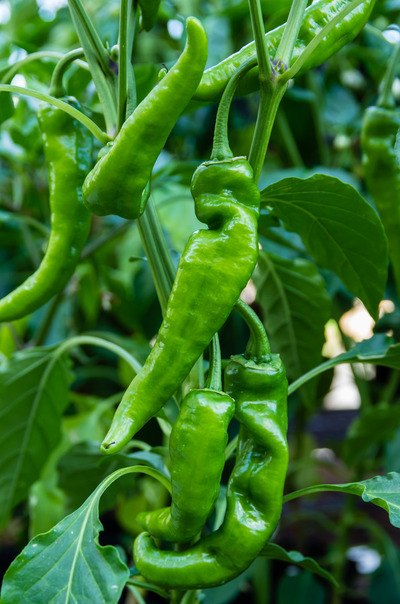

Anaheim Peppers, also called Magdalenas or California Chilies, are easy-to-grow perennials. Member of the (Capsicum annuum longum ‘Anaheim’) genus, these plants are specifically related to the New Mexico cultivar group of chiles and are a type of chili pepper. They are erect plants that grow up to 1.5 feet tall and give peppers continuously for a few years. Mildly hot and flavorful, anaheim peppers make the perfect addition to any garden.
Are you looking to try your hands at growing the anaheim pepper plant but not sure where to begin? No worries! We are here to your rescue. Here, you will find the basics of growing anaheim peppers while following common considerations and care tips. So, let’s dive into the details.
How Do You Grow & Care for Anaheim Peppers Plant?
Before you start growing anaheim peppers, you should learn a few care tips. Have you ever wondered what type of soil, light, temperature, and humidity these plants need? Well, this section lists all the general care tips. Let’s check out.
a) Light Requirements
Like other varieties of peppers, the anaheim pepper plant needs lots of sunlight. These pepper plants require at least 6 hours of direct sun every day to thrive and produce an abundance of peppers. Therefore, always plant them in a space with adequate sunlight to help them mature properly.
b) Soil Requirements
Anaheim peppers plants prefer soil that is more loamy or sandy. This type of soil helps in keeping the ground conditions warm and well-drained. These plants also like a soil pH between 7.0 and 8.5. If you belong to a region with clay soil, consider growing your anaheim peppers in pots or raised beds. Also, ensure to improve this soil with some sand and well-rotted compost.
c) Water Requirements
The anaheim peppers plant prefers consistent watering. It grows properly in well-draining soil that remains constantly moist – shouldn’t be soggy or wet. Make sure to water these plants on a steady schedule to encourage a healthy crop. Also, remember anaheim peppers grown in pots need more frequent watering than those in the garden.
d) Temperature Requirements
Anaheim peppers plants grow well in temperatures above 80 degrees Fahrenheit. Those who belong to areas that are a bit cold during summer should place these plants close to cement walls for maximum heat.
e) Humidity Requirements
Humidity is another essential element of plant care. If we talk about the anaheim pepper plant, it can thrive in higher humidity. Try to maintain high humidity for the best growth.
f) Fertilizer Requirements
Anaheim peppers need regular fertilizing to encourage good growth. Remember to fertilize these plants from time to time. Firstly, fertilize them right after planting, and secondly when they start to produce fruit. You can use a fertilizer balance with potassium, nitrogen, and phosphorus. Don’t add too much nitrogen as it can obstruct fruit growth. Also, consider adding calcium if the soil is lacking.
Pruning Anaheim Peppers Plant
Pruning is one of the easiest ways to promote plant health. This method can help remove dying or dead branches, encouraging reduced disease, strong stems, and good branching. Though pruning your anaheim pepper plant isn’t necessary to produce fruits, regular pruning can help promote a sturdy plant and bountiful yield. There are three main seasons to prune anaheim peppers: early season, mid-season, and late season.
Pruning Anaheim Pepper Plant in the Early Season
Pruning early in the season promotes good air circulation, plant branching, and root production. Here’s how you can do it:
- Take off the top half when the anaheim pepper plant is small, i.e., about one foot tall.
- Remove the first few flowers to boost root growth.
- Prune out some side shoots or branches to ensure good air circulation.
Pruning Anaheim Pepper Plant in the Mid-Season
Pruning your anaheim peppers in the mid-season can limit diseases, protect them from pests, and keep them from getting heavy with foliage. Here are the steps to do so:
- Take off the lowest leaves of the plant to ensure protection against ground-dwelling pests.
- Remove any damaged leaves from the plant to prevent the disease’s spread.
- Take off suckers (small side shoots) to encourage good overall plant growth.
Pruning Anaheim Pepper Plant in the Late Season
Pruning of these plants in the late season hastens mature coloring and forces peppers to ripen early before the frost.
- Take off extra leaves to help developing peppers color up before the end of the season through direct sunlight.
- Prune off all the growing shoots about 4 weeks before the season ends. It will help peppers to develop full color and flavor.
How to Propagate Anaheim Peppers Plant?
Propagation of anaheim peppers is crucial to multiply the plant and preserve their essential characteristics. Here are two major methods of anaheim peppers propagation:
Propagating Anaheim Peppers Plant by Seed
Propagating anaheim peppers from seeds is a simple and easy method but requires lots of patience. Seeds usually take up to 4 weeks to germinate and up to 6 weeks to grow large enough to put outside. It means you need to plan ahead. Start preparing your seeds about 6 to 8 weeks before the last average frost date, depending on your region.
Also, you can use compostable pots for seeds to ease the transition of seedlings (young plants) into the garden. Fill them with a seed-starting mix and sow the seeds around a quarter-inch deep. If you want, soak the seeds in water for nearly 8 hours (not too long) before planting them to boost germination.
Now, water those pots properly to keep the mix moist to help the seeds germinate. Since the seeds need a temperature of around 70 degrees Fahrenheit or more, try to maintain it for the best results.
Also, don’t forget to put pots on a heat mat in a corner where they can receive at least 8 hours of direct sunlight daily. If you live in an area where you can’t provide this much light naturally, consider using supplemental lighting to offer 12 to 16 hours of artificial light.
Propagating Anaheim Peppers Plant by Seedlings/ Transplanting
Another way of propagating anaheim peppers plants is by seedlings/ transplanting. You can grow seedlings on your own as described above or buy them from the market. Once your seedlings are ready, check the outside temperature before moving them out. Don’t take them out if the daytime temperatures are below 60 degrees Fahrenheit and the nighttime temperatures are under 50 degrees Fahrenheit. Seedlings won’t do well in low temperatures and could even die.
Once the weather is right, prepare the area where you are planting seedlings. Amend the soil to make it slightly rich, sandy, and loamy. Add well-rotted compost until the texture ensures good drainage.
Now, dig holes in the earth twice as deep and wide as the pots where the seedlings are growing. Take out the plant from the container and put it in the hole. Those using biodegradable pots can place them directly without removing plants. Backfill around the plants carefully.
If you’re growing multiple anaheim peppers, consider planting them around 18 inches apart. Water regularly for the first few weeks after transplanting to keep the soil moist to encourage healthy growth.
Anaheim Peppers Plant Cultivars to Select
Anaheim peppers are usually sold under the same name. However, some growers have begun to produce varying cultivars and hybrids. Let’s find out about them.
Highlander F1: This hybrid is perfect for people living in cooler regions as it can tolerate cold weather.
Anaheim 118: This cultivar provides large peppers – over 10 inches long.
College 64: Mostly similar, but this hybrid is slightly more productive than the typical anaheims.
Sahuaro: This is another high-yielding cultivar of anaheims that matures one week before the mother plant.
Spitfire: This high-producing variety of anaheims comes with disease-resistant nature. It gives plenty of high-quality, large fruits all summer.
If you’re looking for anaheim pepper plants, don’t get confused by the mislabeling. NuMex, Pueblo, and Hatch chilis are different from Anaheim; they are just close relatives.
Managing Pests and Diseases
Anaheim peppers are easy to grow, and you don’t need to worry about rabbits and voles as they are not fans of the heat. However, you may encounter some pests and diseases. Let’s know how to spot and treat these issues.
Pests
There are several pests that can attack anaheim pepper plants. While they cause severe damage to this plant, they can also spread disease. Some of them are as follows:
Aphids: Aphids are tiny insects that group up on the lower side of leaves. They suck the leaves, leaving them yellow with a sticky discharge. One simple way to treat aphids is by spraying these plants with one tablespoon of neem oil, a gallon of water, and some drops of dish soap. You need to follow this treatment repeatedly.
Leafhoppers: These destructive pests not only feed on anaheim peppers but also spread the mosaic virus. The easiest way to prevent these insects in the fall is through thorough garden cleaning. In the spring, you can use floating row covers to protect your plants.
Spider Mites: Like anaheim peppers, spider mites love the dry and warm weather. Some easy tips to get rid of these insects on peppers are by spraying the plant with water and neem oil or by rubbing alcohol.
Disease
No matter how much you try, diseases always manage to find their way into your garden. If you’re growing anaheim peppers, some common diseases you might have to deal with are:
Anthracnose: This fungal disease starts with small spots in shades of black, brown, and yellow. These spots may widen and cover the entire plant if not treated on time. Prevent this disease by keeping the garden clean and removing infected plants. You can keep this issue at bay by regular watering, picking disease-free seeds, and transplanting healthy seedlings.
Blossom End Rot: This problem occurs due to irregular watering or lack of water when fruits start to form. It can’t be cured once it starts. Therefore, try to prevent this problem by ensuring regular watering in the growing season.
Powdery Mildew: This is another common disease you might encounter in your garden while growing anaheim peppers. You can recognize this issue with the white, powdery growth of the fungus on the infected portions of the plant. Powdery mildew spreads easily and can be carried on tools, in water, or by insects. Address or prevent this disease by keeping your garden clean, ensuring regular pruning, and avoiding over-fertilizing with nitrogen.
Best Uses of Anaheim Pepper Plant
Anaheim chiles make an excellent way to add flavor and spice to your dishes. These mildly hot peppers are used in a vast range of cuisines. They are great for roasting, grilling, stir-frying, and sauteing. Some uses of anaheim peppers are:
- These medium-sized peppers can grow up to 10 inches long and make a delicious addition to Mexican recipes, including salsa verde and chile relleno.
- Since the color of these chiles ranges from light green to deep red, they make an excellent substitute for any recipe that calls for bell peppers.
- Roasting anaheim peppers can bring out the sweetness and soften the heat. Roast them in the oven or on the grill, and then add them to burritos, tacos, or quesadillas.
- These peppers are good to add to pizzas, salads, and pasta. Grill your chiles whole, dice or slice them, and add to your desired dish for flavors.
- Sauteing is an easy, quick way to cook anaheim peppers. Saute them with garlic or onions and add to scrambles and omelets for taste.
- Stir-frying is another effective way to retain the crispy texture of anaheim peppers. Stir-fry some with tofu, chicken, or shrimp. Once done, serve over noodles and rice.
Conclusion
Whether you’re a new or experienced gardener, growing anaheim pepper plants takes time and patience. We hope the information in this post will help you cultivate a healthy anaheim pepper plant. Regardless of the propagation method you choose to grow these plants, don’t forget to follow the general care tips to help them thrive. Plant anaheim peppers in your home garden and get ready to enjoy a constant flow of fresh, green peppers all season long.
Also Read
Maria Arrowhead Plant Care
String of Dolphins Propagation
Are Bonsai Trees Poisonous to Cats
Black Pagoda Lipstick Plant
Distant Drums Rose Guide
What Colours go with a Black Sofa Living Room
How Do Smokeless Fire Pits Work
Replacement Window vs New Construction Window
What Color Paint Goes with Brown Granite