
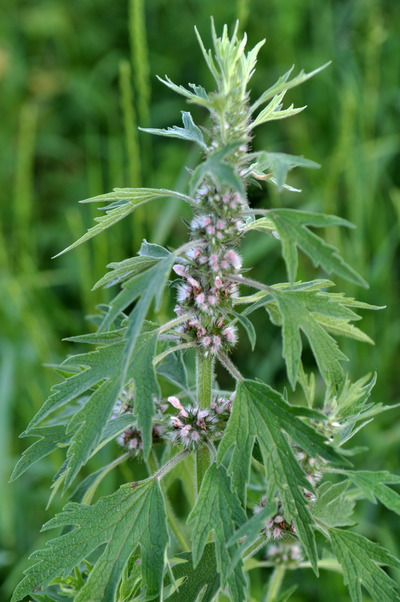
Motherwort is an herbaceous perennial that belongs to the mint family, Lamiaceae. It is also called leonurus cardiaca, lion’s ear, lion’s tail, and throw-wort. This invasive plant is a vigorous grower that can grow anywhere, in a garden, in the woods, or along meadows or riverbanks. The motherwort plant has deeply toothed, ragged leaves and develops small pink to purple flowers that bloom from summer to early fall.
With unique ingredients and properties, motherwort plants have long been used as ornaments and in herbal medicine. They are also famous for attracting pollinators to the garden.
Looking for tips to grow a motherwort plant successfully? We’ve got you covered. Continue reading the post to find out.
How Do You Grow & Care for a Motherwort Plant?
Since motherwort is a hardy plant, it is easy to grow in different conditions. If you want to bring this beautiful herbaceous perennial to your home, consider the following care tips to prevent unwanted spread and ensure healthy growth.
a) Light Requirements
One of the best features of a motherwort plant is that it can grow well in every type of sunlight. You can put your motherwort in densely shady or sunny spots of your garden or landscaping.
b) Soil Requirements
Though motherwort plants are tolerant to a vast range of soil conditions, they do best in rich, moist, and well-draining soil. Also, maintain the pH level between neutral and slightly alkaline for best results.
c) Water Requirements
Once established, the watering requirements of motherwort plants are minimal, making them hardy and drought-tolerant. However, maintain a consistent watering schedule when the plant is young to keep the soil moist. Once the motherwort plant is fully-grown, water whenever the potting mix seems dry.
d) Temperature Requirements
Like other requirements for the best growth, motherwort plants are adaptable to a range of temperatures. They are known to grow well in USDA hardiness zones 3 to 8.
e) Humidity Requirements
Motherwort plants don’t have any special requirements. They can do good in almost all types of humidity levels, making them ideal houseplants.
f) Fertilizer Requirements
Since a motherwort plant grows vigorously and isn’t picky about soil requirements, it usually doesn’t require fertilization. However, you can improve the soil with a well-balanced fertilizer or compost in the spring for the best growth.
Pruning Motherwort Plant
Since motherwort plants are vigorous growers, you need to pay a little attention to prevent spreading more than desired. Once the plant grows fully, it starts producing flowers, which turn into seeds over time. Make sure to prune back all of them before they mature to prevent spreading. Overall, prune the motherwort plant once a year for healthy growth.
How to Propagate a Motherwort Plant?
There are two ways to propagate motherwort plants: seeding and transplanting. Let’s read about these propagation ways in detail.
Propagating Motherwort Plant by Rhizome Division
Propagating motherwort plants by rhizome division is a simple and quick way of propagation. This is the best deal to prevent the overspread of motherwort. For this propagation method, you need basic tools, including gloves, a shovel, and a pair of sharp garden snips. Here are the steps of propagation through rhizome division:
Step 1: Dig around the original plant using a garden shovel to loosen up roots while it is dormant.
Step 2: Use a pair of snips to cut the rhizome to make multiple divisions. Ensure each section has at least two nodes with healthy foliage and roots.
Step 3: Plant each division in prepared soil. To prep the potting mix, amend it with compost.
Propagating Motherwort Plant by Seed
Propagating motherwort by seed is the most common method. But remember that cold stratification of the seeds is mandatory, but only if you’re planting them in spring. To cold stratify, soak the seeds in water for a day and then transfer them to a small plastic bag with peat and sand. Now, place the bag in the refrigerator and let it sit there for up to two weeks. The seeds will be ready to use after this. Here’s how to propagate motherwort by seeds:
Step 1: Broadcast the stratified seeds over the surface of the prepared soil if planting in late spring and cover them with a thin layer of well-drained soil. On the other hand, plant seeds directly without cold stratification in late fall.
Step 2: Now, wait for the seeds to sprout. This procedure will take a couple of weeks.
Step 3: After a few weeks, you will see young seedlings. Move those seedlings outside once the frost danger passes away.
Motherwort Plant Varieties
There are several varieties of the motherwort plant or leonurus cardiaca. Some of the common species include:
Common Motherwort: Also called leonurus cardiaca, common motherwort is the most widely cultivated variety. Native to southeastern Europe and Central Asia, this features hairy stems and leaves and can grow up to 5 feet tall.
Siberian Motherwort: Also known as leonurus sibiricus or honeyweed, this species is native to Siberia, China, and Mongolia. This perennial plant can grow up to 2.6 feet tall. The relaxant properties of this species make it perfect for traditional Chinese medicine.
Chinese Motherwort: Also known as leonurus japonicus and oriental motherwort, this variety is found in Asia, including China, Japan, Cambodia, and Korea. The plant can grow up to 4 feet tall and is often used in ancient Chinese medicine.
Motherwort Potting & Repotting
Motherwort plants grow well in pots. This is an ideal way to avoid spreading. With rapid growth, the plant can outgrow its pot quickly compared to other plants in your collection. When it happens, dig up the plant with roots and cut it through to make multiple divisions. Now, repot each division in individual pots or discard some as you want. Also, remember to make a hole underneath every container to encourage proper drainage.
Overwintering
Motherwort plants are fairly robust with the potential to grow up to 5 feet tall. Since they are hardy, they can grow well in regions with cold weather. That means you don’t need to pay extra attention to help these perennials survive the winter.
Motherwort Plant Blooms
A motherwort plant is known for its unique foliage and flowers. It blooms in the summer and forms stalks of multiple pink to purple flowers with pointy sepals. Since the nature of this plant is hardy, it doesn’t need extra care to encourage flowering. Also, remember that flowers may be minimal in the first year. However, you can expect better blooming from the second year.
How to Control Motherwort Plant being Invasive?
While the motherwort plant is very hardy and grown easily across a range of conditions it is a heavily invasive plant in the USA that can completely run over your garden unless you are on top of it. The best approach to handle it when planting it outdoors in a garden is to cut the plant to approximately 5 inches in height after flowering is done this will make sure that the plant doesn’t easily self-seed itself as the seeds themselves will not get matured easily. the other approach is to grow it indoors in a pot so that it doesn’t have the space to become invasive.
Managing Pests and Diseases
Motherwort is a hardy plant, making it quite resistant to pests and diseases. However, here are the following issues that you need to look after to ensure the best growth:
Powdery Mildew: It is a common fungal disease that can affect plants. This problem causes a white powdery layer on the plant foliage which can obstruct its growth. To prevent powdery mildew, avoid overwatering or maintain pruning to boost air circulation. If this issue occurs, remove the infected part immediately to prevent infection or further spread.
Spider Mites: Spider mites can attack the leaves of a motherwort plant, but it is uncommon. This problem usually occurs during drought. To eliminate it, spray leaves with soapy water. Make this spray mix by adding mild biodegradable liquid soap to water. Now, sprinkle this mixture on the underside of the leaves to get rid of mites.
Best Uses of Motherwort
There are multiple uses for motherwort plants. Some of them are as follows:
- The dried flowers of this plant are used to make tea and add flavors to soups and beer.
- Motherwort is used to relieve headaches, calm nervous disorders, and lower insomnia.
- The calming nervine feature makes it ideal for treating mild hypertension.
- It can improve painful and irregular menstruation, dizziness, hot flashes, and vertigo.
- Some people use motherwort to combat cardiovascular issues, including tachycardia and arrhythmia.
- It is also beneficial for several heart conditions, including fast heartbeat, irregular heartbeat, and heart failure.
- Motherwort has been used for centuries to promote better uterine contractions during labor. It also helps in relieving stress and pain due to childbirth.
Conclusion
This post states that motherwort plants are easy to care for and don’t need ongoing attention for the best growth. Famous for their easy-growing and robust nature, they don’t require special attention to grow. Also, the interesting pink to purple flowers and impressive health benefits make this perennial plant a great addition to every home garden. Bring this plant to add beauty to your home or garden with a pop of green leaves and pink to purple blooms.
Also Read
Variegated Snake Plant
Snowberry Plants Care
Why is my Corn Plant Leaves turning Yellow
Anaheim Peppers Plant Care
Maria Arrowhead Plant Care
String of Dolphins Propagation
Are Bonsai Trees Poisonous to Cats
Black Pagoda Lipstick Plant
Distant Drums Rose Guide