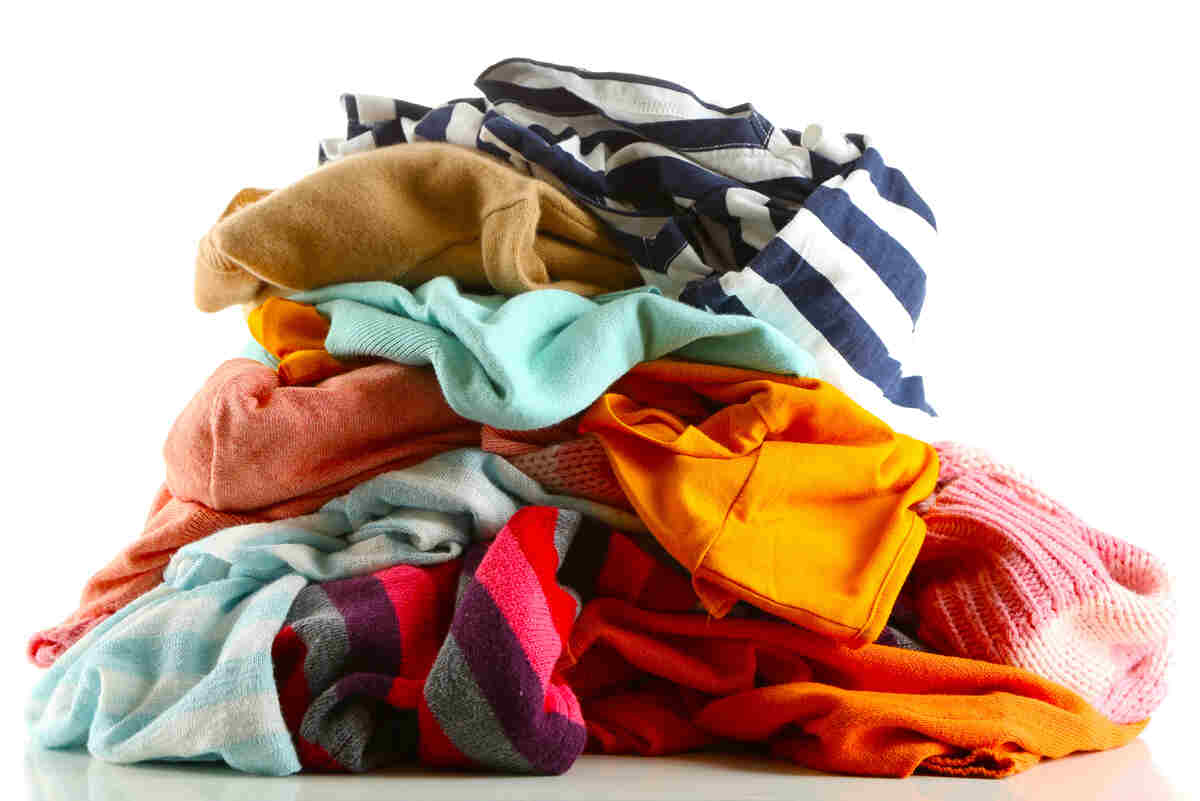

In this article, we will cover what fabric pilling is, which fabric is least likely to pill is and how to Prevent Pilling On Clothes
What is Fabric Pilling
Fabric Pilling is the name given to small lint balls or small knots of tangled fibers that form on clothing, making the fabric look old and very unattractive. Fabric piling happens. Fabric piling is almost always formed due to abrasion, which is due to fabric rubbing against itself or on something else. Fabric Pilling can always be found in places where there is maximum friction on the clothese like at the center of the bedsheet, near the cuffs or collars of the shirt, or under the armpit, between the thighs, and on the backside of the pants
Fabric pilling always increases during washing, as threads will get entangled a lot during washing and you will see black fabrics with white knots during washing
Knitted fabrics will always be more likely to pill compared to woven fabrics as the threads are looser. Always, a tightly-knit thread is less likely to knit.
What Causes Fabric Pilling on Clothes
Fabric pilling on clothes is caused by friction and abrasion between threads during washing, which essentially refers to the friction between the fibres that get broken up, and then the lint balls get tangled up. Fabric Pilings are a result of normal wear and tear of your clothes, as the threads start getting tangled up, and when they start getting clumped together, they end up creating a lint ball that gets stuck onto your clothes. When you wash your clothes, then during the wash cycle of your washing,ocre threads get attracted, forming a tangled lump;p thus, this speeds up the fabric piling process
What Fabric is least likely to pill?
The fabrics that are least likely to form Fabric Pilling are materials with long threads that are woven like silk and Linen. Cotton, Wool, Polyester, and other synthetic blends are the fabrics that are most likely to pilling. Mixed blends of fibres like Cotton/ Polyester blends are also likely to pill more because one fiber is stronger than the other, and the weaker fiber will break and will most likely form a knot and make a pill.
You can always rub the fabric against another fabric to see whether a fabric is least likely to pill when you are buying. Knitted Fabrics tend to pill more than the cloth that is woven fabrics
How to Prevent Pilling On Clothes
To prevent piling on clothes, use the following things
- To Prevent Piling on Clothes, you should use strong materials that are strongly woven
- While using a washing machine, either use a gentle cycle or a hand wash, which leads to slower abrasion in the washing machine, which will help prevent your fabrics from piling.
- Turn your fabrics inside out before you put it in a washing machine or wash them by hand and this will prevent large zippers or buttons from causing abrasion and thus prevent linting
- Always use a fabric softener in the washing cycle that will soften the clothes and will reduce abrasion while washing your clothes
Can a washing machine cause pilling?
While a washing machine will not cause fabric piling, it can either increase the speed or reduce the speed of existing fabric piling.
- Turn clothes inside out
- Choose a detergent with enzymes
What detergent removes pilling?
Combining a cold water cycle with switching to a laundry detergent with enzymes will help in getting rid of fabric piling
What is the fastest way to remove pilling from clothes at home?
Using a Fabric shaver is the fastest way to remove pilling from clothes at home. Backup options can be a lint roller or using sticky tape
How do you remove lint, pilling, and fuzz from clothes manually?
To manually remove lint or fuzz, or pilling from your fabric, you can always use a fabric comb or use a lint remover that is battery-operated
Scientific References
https://journals.sagepub.com/doi/10.1177/1558925020966665
This Article is
Also Try:
Google Gemini Revenue Enterprise
Top 25 Best Indian Influencers 2026